Everyday citizens take the lead at BBPN Advocacy Day
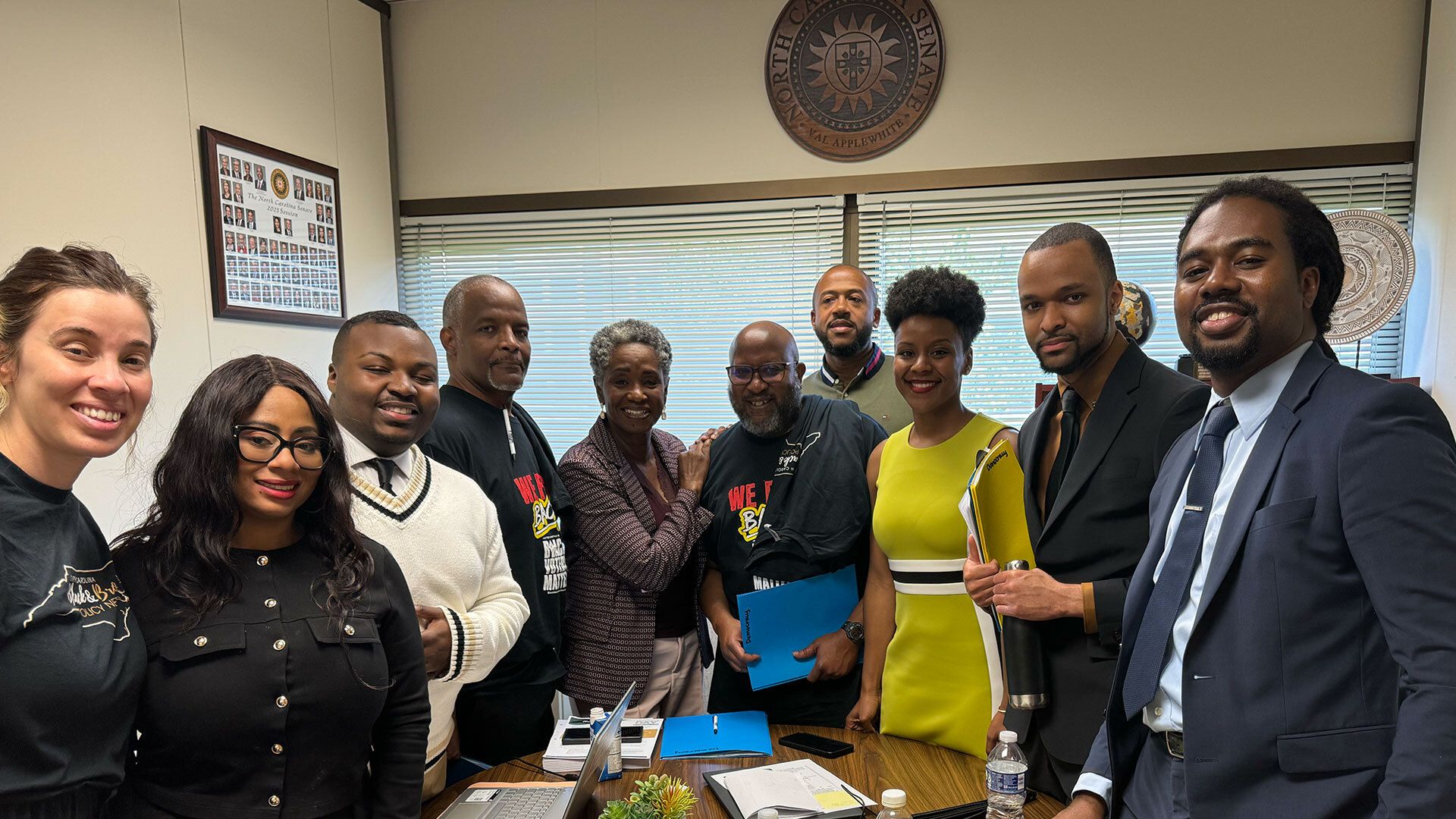
RALEIGH, N.C. — At the North Carolina Black and Brown Policy Network’s (BBPN) annual Advocacy Day in April, one clear message rang out: average citizens are often just as — if not more — informed than their elected officials. While constituents shared lived experiences and policy concerns, some junior lawmakers admitted they often vote in line with party leadership, regardless of the content of the legislation.
Hidden dangers in Senate Bill 382
A key example discussed was Senate Bill 382. While it appeared to provide hundreds of millions in disaster relief funds tied to Hurricane Helene, it also includes provisions that could significantly undermine voting rights. One such provision would slash the timeframe for county boards of elections to review provisional ballots — from 10 days to just three.
“There are some legislators that didn’t even know that this was in Senate Bill 382,” said Tyler Daye, policy and civic engagement manager for Common Cause NC.
Advocacy Day unveils the truth about lawmaking
Dr. Jovita Lee, policy director for Advance Carolina and the architect of Advocacy Day, said the event helps demystify the legislative process.
“Politicians don’t know everything. We don’t expect them to,” Lee said. “We do expect elected officials to do their homework and know what they’re voting on and how their decisions impact Black and Brown people. Let’s just say we show up to the General Assembly to help their understanding.”
Through meetings with lawmakers, community members remind elected officials that they work for the people — not the other way around.
Community organizations lead with purpose
A wide coalition of groups participated in the day’s events, including:
- Black Voters Matter
- Blueprint North Carolina
- Emancipate NC
- Democracy North Carolina
- North Carolina Black Alliance
- El Pueblo
- Education Justice Alliance
- Every Child NC
- North Carolina for the People
- North Carolina Budget and Tax Center
These organizations met directly with lawmakers or their aides to advocate for issues ranging from voting access to education equity and healthcare.
Residents from across the state speak up
Doneka Dillard Newkirk, who traveled two hours from Rockingham County, spoke about the dire need for accessible health care in rural communities.
“Some people would rather stay at home than to get that health care that’s needed,” she said after meeting with a representative from Senate leader Phil Berger’s office. “We need to continue that talk on making sure that we’re going to be able to keep that health care.”
Newkirk, who homeschools her children, said she plans to bring them next time so they can see the legislative process firsthand.